The New Frontiers of Logo Design: How to Make Your Brand Shine
In today’s hyperconnected world, a logo is no longer just a graphic symbol: it is the visual essence of your brand, the first impression customers have of it. A well-designed logo not only captures attention but also communicates a brand’s identity and leaves a lasting impression on consumers.
As digital design has evolved, expectations for logos have expanded. They must not only be visually appealing, but also functional, versatile, and capable of telling a story.
Table of Contents
What is digital design?
Digital design refers to the creation and development of visual, interactive, and functional content for digital platforms such as websites, apps, social media, and other interactive technologies. Unlike traditional design (such as print design), digital design takes into account specific aspects related to the digital environment, such as usability, interactivity, responsiveness, and adaptability to different devices.
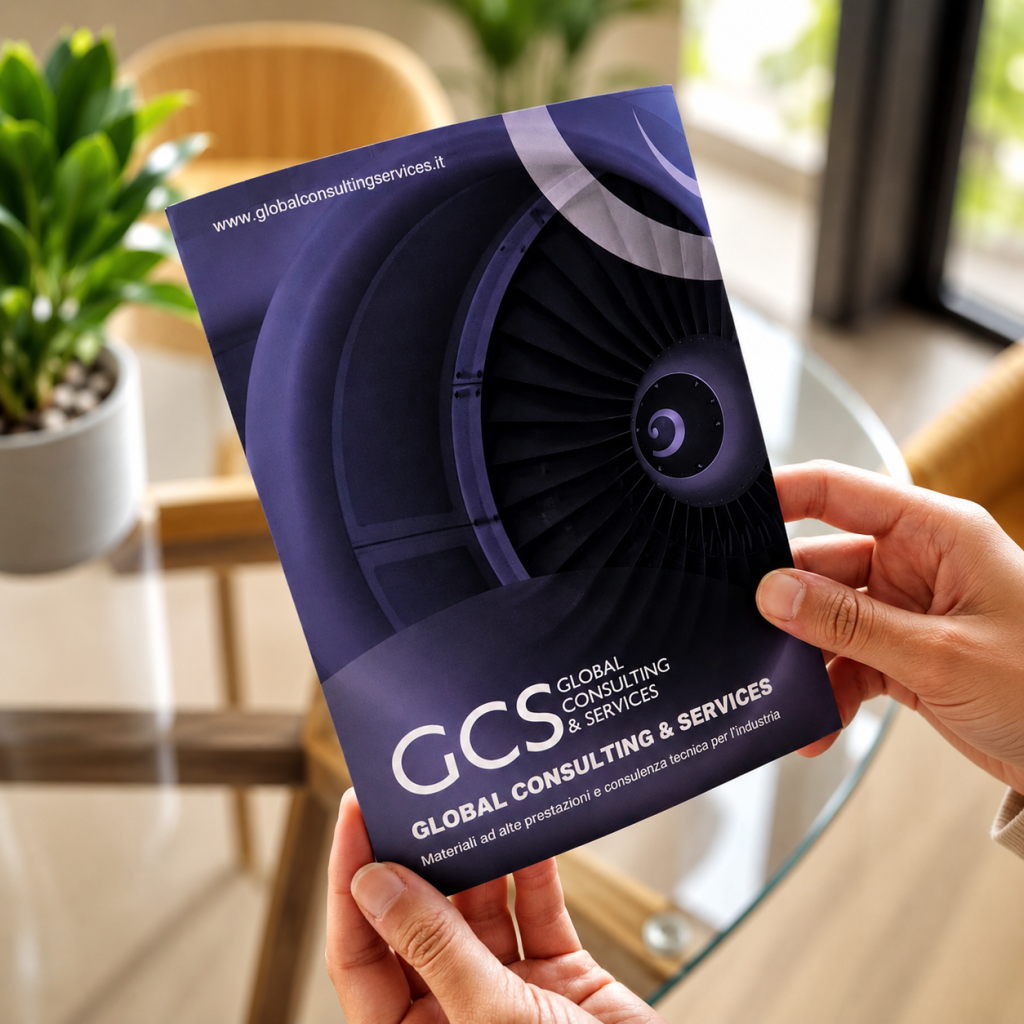
Check out our work on communication materials for GCS
Why logo design is crucial in the digital world
The logo is the beating heart of the brand identity: it is the first point of contact with the public and represents a brand’s personality in all its forms, from the website to apps, from social media to advertising materials.
In the digital world, where every visual interaction takes place in a matter of seconds, a logo must be able to:
- Capture attention in just a few seconds.
- Clearly convey the brand's values.
- Adapts seamlessly to a variety of platforms, from a large screen to a mobile icon.
An effective logo makes the difference between being remembered or forgotten. Take brands like Amazon or Google, for example: their simple, distinctive logos appear on every screen, from in-app ads to promotional videos.
According to a study by Siegel+Gale, 60% of consumers believe that a well-designed logo makes a brand more trustworthy and recognizable. A successful logo sticks in people’s minds and creates an emotional connection, which is essential for building long-term loyalty.
From minimalism to animated logos, discover how well-designed graphics can grab your attention!
A logo isn't just a symbol—it's the heart of your brand identity. Together, we'll stay on top of the latest trends to ensure your design stands out on every platform.
Contact us today for a free consultation and find out how we can turn your ideas into tangible results.
New Trends in Logo Design
Digital design is constantly evolving, bringing with it new trends that allow brands to stand out.
1. Minimalism: the power of simplicity
“Less is more” is the mantra of modern logo design. Minimalist logos focus on essential shapes, clean lines, and an aesthetic free of superfluous details. This style works perfectly in the digital realm, where complexity can distract or confuse the user.
Example: The Nike and Apple logos are global icons thanks to their instantly recognizable simplicity.
2. Responsive logo: flexibility on every screen
A responsive logo adapts to different sizes and formats without losing its visual impact.
Why is this important?
- A logo that looks good on a big screen must also work on a smartwatch.
- It is essential to ensure visual consistency across all devices and platforms.
3. Color gradients: depth and dynamism
Gradients give logos depth and vibrancy, making them eye-catching and well-suited for digital contexts such as apps or websites. This trend is perfect for digital media, where vibrant colors immediately grab attention.
Example: The Instagram logo, with its soft, blended colors, is a perfect example of how a gradient can transform a simple design into a visually engaging one.
4. Animated logos: movement that captivates
A static logo can come to life on digital platforms through animation, transforming into a dynamic and engaging element that captures users' attention.
- Animations do more than just add visual interest; they can tell a story, highlight a brand’s personality, or convey its values in a creative and immediate way.
- To be effective, they must be seamless, harmonious, and integrated into the overall experience, without being intrusive or distracting the user from the main content.
Example: Google Doodle's animated logos are a classic example of how even a small movement can convey creativity and personality.
5. Custom designs
As technology advances, there is also a growing trend toward bringing a human touch back into design. Custom logos, featuring hand-drawn elements or unique details, are gaining popularity because they convey authenticity and personality. In a world where automation is on the rise, a logo with a handcrafted feel can help consumers feel more connected to the brand.
How to Choose the Right Logo for Your Brand
Every brand has a unique personality, and the logo must reflect it consistently and creatively. Here’s a practical guide to choosing the perfect logo.
1. Define your brand identity
Before designing a logo, it’s essential to start with a deep understanding of your brand and what it stands for. This means carefully reflecting on your mission, the values that guide your business, and the emotions you want to convey to your customers.
For example, ask yourself: What is the main purpose of your brand? What core values do you want to convey? And most importantly, how do you want your customers to feel when they think of your brand? These questions will help you lay the groundwork for a design that is authentic, meaningful, and perfectly aligned with your company’s identity.
Practical example: A tech brand might opt for clean lines and futuristic colors like blue, while an eco-friendly company might prefer natural tones and organic designs.
2. Know your audience
A thorough understanding of your audience is essential for choosing a design style that engages them and best represents them.
For example, if you’re targeting a young and dynamic audience, you might opt for a logo with bright colors and a modern style that conveys energy and freshness. Conversely, if your target audience consists of more mature individuals, a classic and sophisticated design that communicates elegance and reliability might be more appropriate. Tailoring your logo to your audience’s tastes and expectations is the key to creating a brand image that leaves a lasting impression.
3. Analyze the competition
Looking at the logos of companies in your industry is a crucial step in understanding prevailing trends and identifying what works best. It’s not about imitation, but about carefully analyzing the elements that make those logos effective while also identifying opportunities for innovation. This allows you to design a unique and distinctive logo that stands out from the competition and authentically conveys your brand’s personality.
4. Go for simplicity and versatility
A simple logo is memorable and versatile—key qualities for ensuring effectiveness in any context. Whether it’s a business card, a website homepage, or an app icon, a minimalist design ensures that your logo retains its visual and communicative power without losing its impact.
5. Test and gather feedback
Before finalizing the design process, it’s important to test the logo with your target audience. You can use surveys, focus groups, or interviews to gather opinions and feedback on the design. This step will help you identify areas for improvement and ensure that the logo accurately conveys your brand’s message and values. Well-structured feedback can make the difference between a good logo and an exceptional one.
Frequently Asked Questions About Logo Design.
What is a logo for?
A logo is much more than just a graphic element: it represents a brand’s visual identity and encapsulates its values in an immediate and recognizable way. It helps a brand stand out from the competition, making it unique and easily identifiable across any platform, from social media to promotional materials. A good logo conveys the brand’s personality, communicates its values, and builds trust, giving the public the impression of a professional and reliable company. It is not just an aesthetic detail, but a strategic element that contributes to the brand’s communication and overall success.
What software should I use to design a logo?
To create a logo, you can choose from various software options, such as Adobe Illustrator for professional vector logos, Canva for a simple and intuitive approach, or alternatives like CorelDRAW, Affinity Designer, or the free Inkscape. However, hiring a professional designer is the best choice. An expert not only creates a unique and technically flawless logo but also offers strategic advice to align the design with your brand’s values and goals, turning the logo into a true investment in your brand’s success.
How much does it cost to design a professional logo?
The cost varies greatly depending on the designer and the complexity of the project. It can range from a few hundred euros for a freelancer to thousands for a branding agency.
What are the most important file formats for a digital logo?
To ensure your logo performs at its best in any digital context, it’s essential to have it in the right formats. SVG: perfect for the web, it scales infinitely without losing quality, making it ideal for websites and apps. PNG: offers high quality with a transparent background, perfect for use in graphics or promotional materials. JPEG: a more common format, suitable for standard images where a transparent background isn’t needed. A well-designed logo should be versatile and ready for any platform, from your website to social media. Not sure if your logo is optimized for digital use? Contact us: we can help you create or update your logo to ensure it looks flawless wherever it’s used!
How simple should a logo be?
An effective logo should focus on simplicity. A clear, clean design is easier to remember, recognize, and adapt to different formats and platforms, such as social media, websites, or printed materials. On the other hand, a logo that is too complex risks becoming confusing, especially in smaller formats, where details are easily lost. But be careful: simplicity does not mean banality, but rather the ability to convey the essence of the brand using just a few well-chosen elements.
Do I need to register my logo?
Yes, registering your logo is essential to legally protect it and prevent it from being copied.
How long does it take to design a logo?
The time it takes to create a logo can vary depending on several factors, such as the complexity of the design, the level of customization required, and the number of revisions needed to perfect it. Generally speaking, the process can take anywhere from a few days to a few weeks, especially if you want a result that best captures the essence of the brand.