Newsletter: What Is It? A Simple and Clear Definition
Have you ever wondered what a newsletter really is? Think of it as an email conversation between a brand and the people who want to stay in touch: a concise “update” packed with news, special offers, and exclusive content, sent only to those who have signed up for it.
It’s not spam, but a meaningful connection that stems from a specific action—filling outa form, attending an event, or making an online purchase. It might arrive once a week, once a month, or only when needed: it depends on the relationship you want to nurture.
Table of Contents
Why a newsletter is useful: three major benefits
A well-designed newsletter is much more than just a sales channel—it’s a tool for building strong relationships. Here’s what it can do for your business:
- Buildcustomer loyalty – nurture the relationship with customers even after the purchase, keeping the brand present in their daily lives.
- Generate word-of-mouthbuzz—share news and stories, keeping yourself top of mind (and in the inboxes) of your followers.
- Convert – turncasual visitors into actual customers, often with greater effectiveness than many paid campaigns.
Every euro invested in the newsletter channel yields an average ROI of €36 (Litmus, Email Marketing ROI 2024).
Plus, it’s affordable, measurable, and perfect for small businesses with big ambitions: surveys, direct responses, and analytics on open rates and clicks reveal what truly matters to your audience, helping you constantly refine your offering.
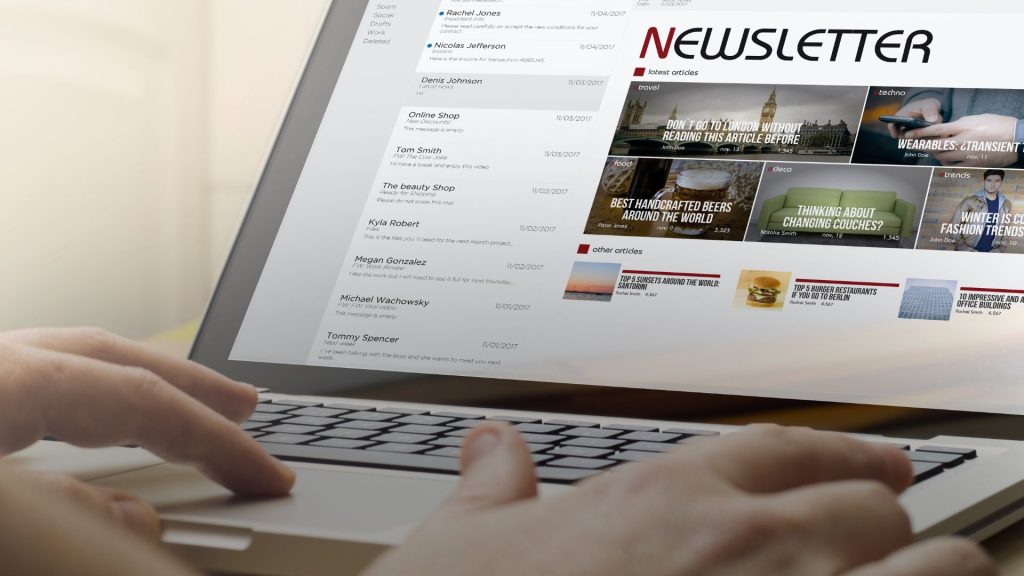
How to Build Your Email List
In an ecosystem dominated by social media algorithms, email remains the only channel that is truly “yours”: neither feed changes nor third-party policies can take away your access to your subscribers’ inboxes. Having a mailing list means having a direct line to those who have already shown interest in you—anasset that grows in value over time and that you can activate whenever you want, without additional advertising costs.
How and where to find the right subscribers for your newsletter
Offline – The Power of Human Connection
- Paper form at the point of sale: While the customer is waiting for the bill or picking up an order, have them fill out a simple form (name + email).
- Tablets or kiosks at trade shows: with just a few taps, visitors can sign up for your mailing list and receive a digital welcome coupon right away.
- QR codes on physical materials (menus, packaging, flyers): when scanned with a smartphone, they open the registration page directly.
Online – The Website as a Conversion Hub
- A clear, minimalist sign-up form on the homepage, blog sidebar, and footer: limit the fields to only what’s absolutely necessary.
- Checkbox at the e-commerce checkout: Customers who have already made a purchase are your hottest leads; invite them to stay updated.
- Contextual banner or slide-in: Offer a lead magnet (resource list, discount, mini-ebook) while the user is showing interest in related content.
- Targeted social media campaigns: Highlight the exclusive benefits of signing up (previews, offers, premium content).
- Collaborate with influencers or similar brands: exchange visibility and grow your subscriber base with a targeted audience.
Four rules that make all the difference
- Double opt-in – always send a confirmation email: this ensures you have clear consent and improves the quality of your list.
- Proactive transparency – clearly state right away what you will send, how often, and what concrete benefit the subscriber will gain from it.
- GDPR Compliance – clear privacy notice, one-click opt-out option, data retained only for the stated purpose.
- Delivered value, not just promises – every email must deliver on the “promise” made during the opt-in process: practical guides, sneak peeks, exclusive benefits. This is the only way your mailing list will grow and remain active over time.
Would you like to receive ideas, resources, and practical tools to help grow your business? Join our email community: every week, you’ll receive helpful tips and exclusive content tailored just for you.
Best practices for writing an effective newsletter
With social media platforms changing the rules overnight and platforms increasingly hungry for budgets, email remains a safe haven. A well-crafted newsletter lands in the inbox of those who’ve told you, “Write to me when it’s worth it.” It’s a pact of trust that must be honored with useful content, absolute clarity, and no gimmicks.
Two golden rules for a newsletter that works
- Quick unsubscribe – the link to say “enough” should be just a click away, so you respect your readers and keep your list healthy.
- Deliver value first —put the most important information right at the beginning: no one wants to scroll through pages and pages of text before figuring out why they should stay.
The common thread that keeps readers coming back
Think of your newsletter as a small magazine: each issue revolves around a specific theme or a recognizable tone. That way, your audience knows what to expect and will be eager to open your next email.
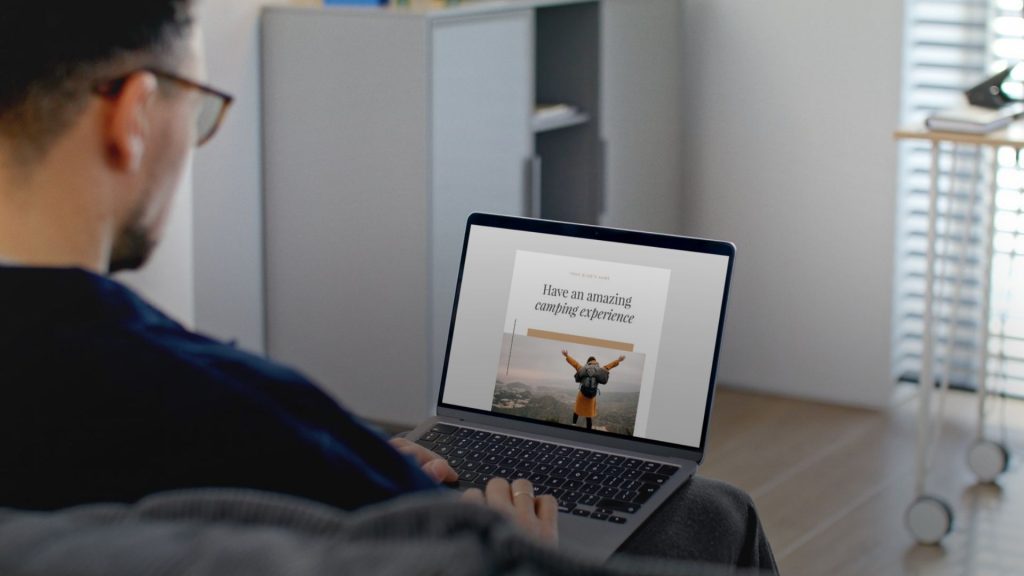
The Ideal Structure of an Email, Step by Step
Email subject
It’s your newsletter’s calling card: it needs to pique curiosity without resorting to gimmicks, because the open rate is decided in that very moment.
Opening
Greet the reader by name or with a question tailored to their interests. This way, you engage them from the very first line and encourage them to keep reading.
Message body
Organize your content into short sections, using clear subheadings and bullet points. This format is perfect for reading on a screen: the eye scans quickly and immediately picks up on key information.
Effective Calls to Action (CTAs)
Include just one call to action, and make sure it’s clearly visible. It should guide the reader to the next step—whether that’s reading an article, purchasing a product, or taking a survey.
Footer
End with your contact information, social media links, and, most importantly, the unsubscribe button. Transparency and compliance with GDPR regulations are essential for building a lasting relationship of trust.
Newsletter: The Right Sections Can Turn a Reader into a Customer
A newsletter becomes truly powerful when it stops speaking “to everyone” and starts telling relatable stories. Regular features—those recurring, themed sections that appear in every issue—build anticipation, reinforce the brand’s personality, and give readers a concrete reason to open the email. Each installment fosters an emotional connection and, step by step, encourages readers to move from interest to action.
Sample newsletter for a furniture store: “Homes That Inspire”
- What to submit: Each month, a photo tour of a real-life project, complete with floor plans, color palettes, and furniture pieces available in the showroom.
- Why it works: The reader identifies with the products and imagines them in their own home.
Sample newsletter for a dental practice: “A Smile a Month”
- What to send: short guides on oral hygiene, interesting facts about new techniques, and in-depth articles on the most common oral health issues.
- Why it works: It informs, reassures, and builds credibility, helping to overcome patients’ apprehension about visiting the dentist.
Sample newsletter for an Etsy artisan: “Behind the Scenes”
- What to submit: the story of a product, from the initial sketch to shipment, including photos of the workshop and a brief testimonial from a customer who purchased it.
- Why it works: Emotion and transparency bring the audience closer to the brand, helping them appreciate the value of craftsmanship
Turn your emails into lasting relationships today!
The Evolution of the Newsletter: From Spam to Rediscovery
For years, the word “newsletter” brought to mind inboxes clogged with unwanted ads. Today, the landscape has changed in many ways:
- Smarter spam filters automatically separate valuable messages from bulk emails.
- Having our phone in our pocket at all times leads us to check our email several times a day, no matter where we are.
- More authentic content: Brands and professionals have realized that email only really works when it speaks to people, not to “target audiences.”
Why are newsletters so effective these days?
First and foremost, it’s readable anywhere: whether your audience is at a computer, on the couch with a tablet, or waiting in line at the checkout with a smartphone, the email adapts to the screen and always reaches its destination. Not only that: you can tailor it to individual interests, sending different content to those who love special offers versus those who prefer in-depth guides.
What’s more, the newsletter doesn’t stand alone: it integrates with CRM, e-commerce, and automation systems, becoming a natural step in the purchasing journey. The result is a dialogue that makes the reader feel truly heard, part of an authentic relationship rather than just a “market segment.”
Newsletter: 5 Mistakes to Avoid
XXL images that slow down loading
A high-resolution photo looks great—until it forces the reader to wait. If the email takes more than a few seconds to open, many will close it before they even see the first pixel. Reduce file size and dimensions, use modern formats (WebP), and let a well-optimized main image grab the reader’s attention.
Generic content that is the same for everyone
Sending the same content to your entire list is like speaking in a crowded room without paying attention to who’s listening. Segment your audience by interest, behavior, or stage in the funnel: an in-depth guide for those seeking information, a discount code for those who’ve already added items to their cart.
Vague headlines or clickbait
Vague email subject lines like “You won’t believe what’s in store for you” or “Discover the surprise!” may pique curiosity, but they fall flat as soon as the reader realizes there’s no real value proposition. It’s better to use a straightforward subject line that clearly states the benefit right away: “3 lunch ideas ready in 15 minutes.”
Navigating in the dark without analysis
If you don’t track who opens your emails, what they click on, and where they drop off, you’re flying blind. Analytics tools and tracking tags reveal which topics resonate, which CTAs convert, and which segments respond best. This valuable data can help transform your newsletter from a simple periodic mailing into a sophisticated marketing channel.
Skip the testing phase
A broken link, a button that disappears on mobile, an emoji that appears as a square: even small glitches are enough to undermine your credibility. Always send a draft to yourself and a colleague, check the layout on desktop and smartphone, and click every link. Two minutes of testing will save you hours of explaining and prevent you from losing your readers’ trust.
Turn your emails into lasting relationships today: download our free checklist and start building a newsletter your readers will look forward to opening!
FAQ — Everything you want to know about newsletters.
What is the purpose of a newsletter?
The newsletter is your direct link to the community: it keeps people informed, inspires them, and offers tangible benefits to those who have already shown interest in your brand.
Why is the mailing list important?
Your contact list is the cornerstone of email marketing: it brings together people who want to receive your messages, so you can send them personalized content instead of sending out mass emails.
What is the difference between a DEM and a newsletter?
– DEM (Direct Email Marketing): a one-time, often promotional message.
– Newsletter: an ongoing dialogue that alternates between valuable content (guides, stories, tips) and, only when appropriate, commercial offers.
Who should be in charge of the newsletter?
Who understands the brand’s tone of voice and objectives: the in-house marketing team or a specialized agency.
How does it work in practice?
With platforms like Mailchimp, Brevo, or ActiveCampaign, you can create lists, automate workflows, and track opens and clicks in just a few steps.
What's the key to making it work?
A newsletter is effective when it reaches the right people with the right message at the right time— anddoes so consistently, not sporadically.
How do you unsubscribe from a newsletter?
By clicking the unsubscribe link: it must always be visible and functional. Providing an easy way to unsubscribe is a sign of respect and GDPR compliance.
How do you create an effective newsletter?
– Think about the reader first, then the business goal.
– Write in a simple and straightforward style.
– Offer useful content or a tangible benefit.
– Always end with a clear call to action.